Veo Applications in Healthcare: Enhancing Diagnostic and Monitoring Capabilities

Introduction to Veo in Healthcare
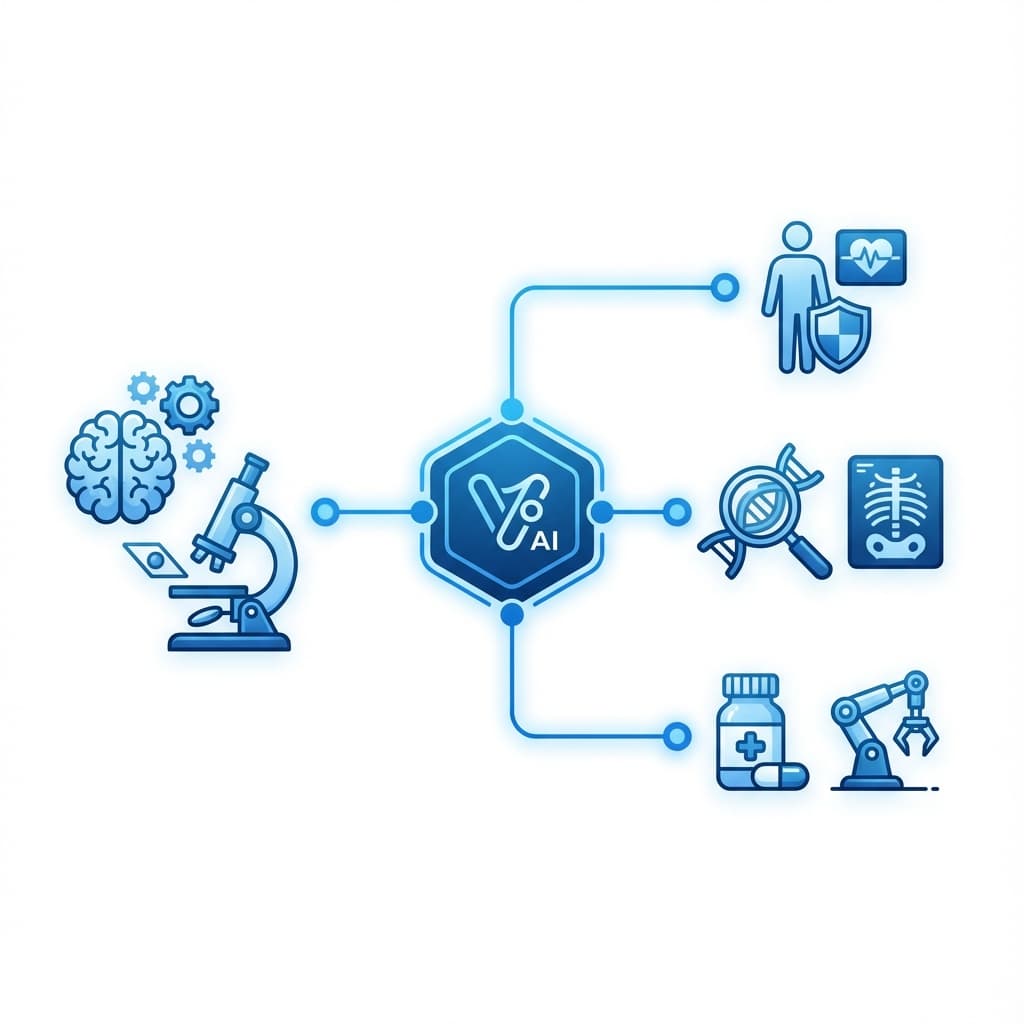
Veo, an emerging technology in the healthcare sector, is transforming the way medical professionals diagnose and monitor patients. By leveraging advanced algorithms, real-time data processing, and AI-driven insights, Veo applications are enhancing the precision and efficiency of healthcare services. This blog post delves into the various applications of Veo in healthcare, highlighting its benefits, real-world use cases, and future potential.
The Role of Veo in Diagnostic Healthcare
Veo technology is playing a pivotal role in diagnostics by providing healthcare professionals with tools that improve accuracy and speed. Traditional diagnostic methods often rely on manual processes that can be time-consuming and prone to human error. Veo applications, however, automate and streamline these processes, leading to faster and more reliable results.
Key Benefits of Veo in Diagnostics
- Enhanced Accuracy: Veo algorithms can analyze vast amounts of medical data, identifying patterns and anomalies that might be missed by human eyes.
- Speed and Efficiency: Automated diagnostic tools powered by Veo can process and analyze data in real-time, significantly reducing the time required for diagnosis.
- Cost-Effectiveness: By automating routine diagnostic tasks, Veo helps reduce operational costs, allowing healthcare providers to allocate resources more effectively.
Real-World Use Cases
One notable example of Veo in diagnostics is its application in radiology. Veo-powered imaging systems can analyze X-rays, MRIs, and CT scans with remarkable precision, detecting early signs of diseases such as cancer, fractures, and neurological disorders. For instance, hospitals using Veo-based imaging have reported a 30% reduction in diagnostic errors and a 40% increase in processing speed.
Veo in Patient Monitoring
Beyond diagnostics, Veo is also making significant strides in patient monitoring. Continuous monitoring is crucial for patients with chronic conditions or those recovering from surgeries. Veo applications enable real-time tracking of vital signs, medication adherence, and overall patient health, providing timely alerts to healthcare providers when anomalies are detected.
Advantages of Veo in Monitoring
- Real-Time Data Analysis: Veo systems can process data from wearable devices and sensors in real-time, offering immediate insights into a patient’s condition.
- Predictive Analytics: By analyzing historical and real-time data, Veo can predict potential health issues before they become critical, allowing for proactive intervention.
- Remote Monitoring: Veo applications facilitate remote patient monitoring, enabling healthcare providers to keep track of patients’ health statuses without requiring them to be physically present in a healthcare facility.
Practical Applications
A compelling use case of Veo in monitoring is its integration with wearable health devices. For example, patients with heart conditions can wear Veo-enabled smartwatches that continuously monitor their heart rate, blood pressure, and oxygen levels. If any irregularities are detected, the system automatically alerts both the patient and their healthcare provider, ensuring timely medical intervention. This has been shown to reduce hospital readmissions by up to 25% in some cases.
Challenges and Considerations
While Veo technology offers numerous benefits, its implementation in healthcare is not without challenges. Key considerations include:
- Data Privacy and Security: Ensuring the confidentiality and security of patient data is paramount. Veo systems must comply with regulations such as HIPAA and GDPR to protect sensitive information.
- Integration with Existing Systems: Healthcare providers often use a variety of systems and tools. Integrating Veo applications seamlessly with these existing infrastructures can be complex and requires careful planning.
- Training and Adoption: Healthcare professionals need adequate training to effectively use Veo applications. Resistance to change and the learning curve associated with new technologies can hinder adoption.
The Future of Veo in Healthcare
The future of Veo in healthcare looks promising, with ongoing advancements in AI and machine learning set to further enhance its capabilities. Emerging trends include:
- Personalized Medicine: Veo applications can analyze individual patient data to tailor treatments and medications, leading to more effective and personalized healthcare.
- Enhanced Telemedicine: As telemedicine continues to grow, Veo can play a crucial role in providing accurate diagnostics and monitoring remotely, bridging the gap between patients and healthcare providers.
- Integration with IoT: The Internet of Things (IoT) is expanding the possibilities of Veo applications, enabling more comprehensive and interconnected healthcare solutions.
Conclusion
Veo technology is revolutionizing healthcare by enhancing diagnostic accuracy and patient monitoring capabilities. With its ability to process vast amounts of data in real-time and provide actionable insights, Veo is set to become an integral part of modern healthcare systems. As the technology continues to evolve, it holds the potential to significantly improve patient outcomes and streamline healthcare operations.